PPR pipe is the plastic pipe most new houses in Pakistan use for their water lines. It is made from polypropylene random copolymer (written PPR, PP-R or PPR-C), and its joints are heat-fused instead of glued or threaded, so a finished joint becomes one piece with the pipe. The table below shows our current prices for the Popular PPR range. It reads straight from our shop, so it changes as soon as we change a price.
PPR pipe and fittings price list
| Product | Price (PKR) |
|---|---|
| Threaded Cap Polupar | Rs.20 |
| Socket Polupar | Rs.65 |
| Elbow 90 % Polupar | Rs.80 |
| Tee Polupar | Rs.100 |
| Over Cross Polupar | Rs.180Rs.190 |
| Union Polupar | Rs.180 |
| Elbow Female Polupar | Rs.250 |
| Socket Female Polupar | Rs.260 |
| Reducing Socket Popular | Rs.270Rs.300 |
| Reducing Tee Popular | Rs.280 |
| Reducing Elbow Popular | Rs.280 |
| Tee Female Polupar | Rs.280 |
| Elbow Male Polupar | Rs.450Rs.500 |
| Tee Male Polupar | Rs.480 |
| Gate Valve Polupar | Rs.1,000 |
| Pipe Popular PPRC | Rs.1,200 |
Prices are per piece, in Pakistani rupees. Not sure which size a listing is? Ask us on WhatsApp before you order and we'll confirm the size and price.
What is PPR pipe?
PPR pipe carries hot and cold water inside the walls and floors of a house. Three things set it apart from the older GI (galvanised iron) and uPVC pipe:
- Heat-fused joints. The pipe and fitting are heated on a fusion machine and pushed together. The plastic melts into one piece, so there is no thread or glue to fail.
- No rust. Unlike GI pipe it does not rust inside, which is what slowly chokes old iron lines.
- Hot water. The right pressure grade can take the hot line from a geyser. uPVC is meant for cold water and drains.
PPR pipe sizes: what 20mm, 25mm and 32mm mean
PPR pipe is sized by its outside diameter in millimetres. In Pakistani shops each size also goes by an inch name carried over from GI pipe:
| PPR size (outside diameter) | Called in the market | Usual job in a house |
|---|---|---|
| 20mm | ½ inch | Branch lines to taps, showers and Muslim showers |
| 25mm | ¾ inch | Main lines along a floor or to each bathroom |
| 32mm | 1 inch | Main line from the roof tank in bigger houses |
The inch names are labels, not measurements: a 20mm PPR pipe is not half an inch across. When you order, give the mm size if you know it.
PN10, PN16 or PN20: which pressure rating?
PN is the pipe's nominal pressure rating in bar, for water at 20°C. A higher number means a thicker wall. Because the outside size stays the same, a PN20 pipe has a slightly smaller bore than a PN10 pipe of the same size. The safe pressure falls as the water gets hotter, which is why hot lines need a higher grade:
- PN10: cold water only.
- PN16: cold water, and warm water on some makers' charts.
- PN20: the usual choice for the hot line from a geyser.
Each maker publishes its own temperature and pressure chart, so for a hot line check that chart or the print on the pipe. Ask us on WhatsApp which grade a pipe is before you buy it for a geyser line.
Every PPR fitting and what it does
These are the fittings in our Popular range, roughly in the order you meet them along a water line.
| Fitting | What it does |
|---|---|
| Pipe | Carries the water from the tank to each point |
| Socket | Joins two lengths of pipe in a straight line |
| Elbow 90° | Turns the line through a right angle |
| Tee | Splits one line into two, for a branch |
| Union | Joins two pipes with a nut, so a pump, geyser or tank can be taken off later without cutting the pipe |
| Reducing socket, elbow or tee | Joins a bigger pipe to a smaller one, for example ¾ inch to ½ inch |
| Over-cross | Bends one pipe over another where two lines cross |
| Female threaded elbow, socket or tee | Has an inside thread for a tap, shower valve or ball valve to screw into |
| Male threaded elbow or tee | Has an outside thread that screws into a female thread, such as a valve |
| Threaded cap | Closes a threaded point until the tap is fitted |
| Gate valve | Shuts off the water to the whole line or one branch |
Shop · popular tee, popular elbow, union


Which fitting goes where: a bathroom example
A common layout for one bathroom fed from the roof tank:
- A ¾ inch (25mm) line comes from the main, with a valve so the bathroom can be shut off on its own.
- Tees along that line take water to each point, and reducing tees drop each branch to ½ inch (20mm).
- Elbows turn the pipe up the wall to each point.
- At each tap point the pipe ends in a female threaded elbow set in the wall. The tap, shower or Muslim shower valve screws into it later.
- Threaded caps close the points while the walls are plastered and tiled.
Before plastering, cap every point, fill the line with water and leave it for a few hours, then check every joint for drips. A leak found now costs a fitting; a leak found after tiling costs the tiles.
For the taps and showers that screw into those points, see our bathroom fittings guide. For the valves, see ball valve vs gate valve.
How PPR joints are made
PPR is joined with a heat fusion machine, often called a PPR welding machine. The basic steps:
- Cut the pipe square with a PPR cutter and mark the socket depth on it.
- Heat the pipe end and the fitting on the machine's heated dies at the same time.
- Push them together straight, without twisting, and hold them still for a few seconds.
- Let the joint cool before putting water pressure on it.
Machines are usually set to about 260°C, and the heating time depends on the pipe size, so follow the chart that comes with the machine or the pipe. Too little heat gives a weak joint. Too much lets melted plastic squeeze inside and narrow the bore.
PPR on rooftops: keep it out of the sun
Sunlight breaks down plastic pipe over the years. Lines that run across the roof to the tank should be shaded, boxed in or covered with pipe insulation, which also keeps the water from heating up as much in summer. Fit a union near the tank so the tank can be changed without cutting the line.
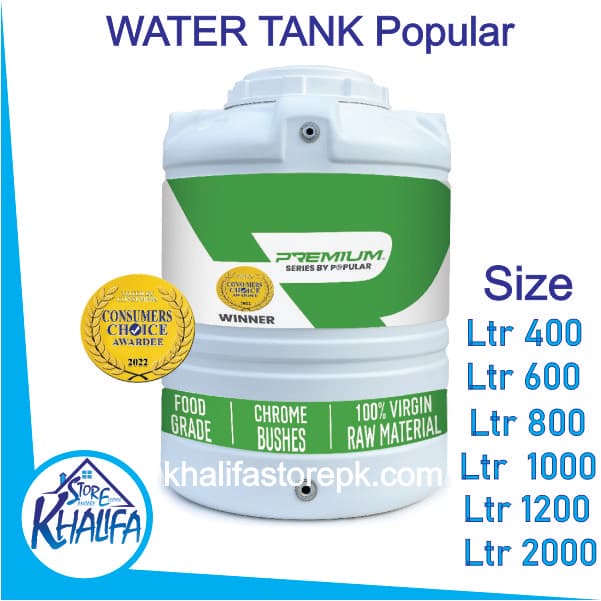
Choosing the tank itself? Our water tank guide covers sizes and roof weight.
Buying PPR fittings: a short checklist
- Count the points first: taps, showers, Muslim showers, geyser and washing machine. Then count fittings.
- Buy pipe, fittings and valves of one brand where you can, so they fuse together properly.
- Buy a few spare elbows and sockets. They cost little, and one missing elbow can stop the job for a day.
- Use PN20 pipe for the hot line.
- Send us your list on WhatsApp and we'll check it before you order.
The whole house, from tank to tap, is covered in how a house water system works.