In most Pakistani houses, water doesn't run straight from the mains to the taps. It's stored first, pumped up to a tank on the roof, and from there it flows down to every tap by gravity. Knowing each step helps you trace a fault, plan a new bathroom or buy the right part. Here's the path, with a full guide for each part along the way.
1. The supply: mains or bore
Water comes from the municipal supply, which in many areas runs only at set hours, or from a bore with its own pump. Either way, it usually goes into storage first.
2. The ground or underground tank
Many houses fill a ground-level or underground tank while the supply is on. That gives the pump a store of water to draw from at any time.
3. The motor (lift pump)
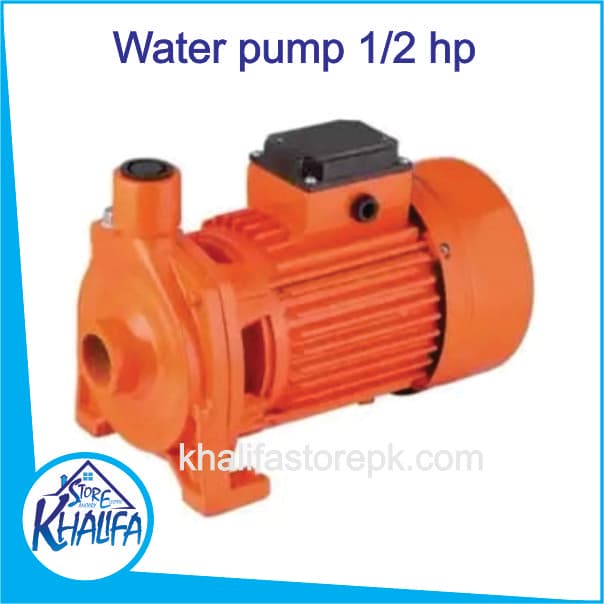
A pump lifts the water from the lower tank to the roof tank. It needs enough head (lifting height) for the house, and it should never run dry. Our water pump guide explains head, flow and how to protect the motor.
4. The float switch
A float switch in the roof tank starts the pump when the level drops and stops it when the tank is full. No more overflowing tanks or motors left running. A second switch in the lower tank can stop the pump if that tank runs empty. Our float switch guide covers fitting and setting the levels.
Shop · float switch, power protector

Float Switch

5. The roof tank
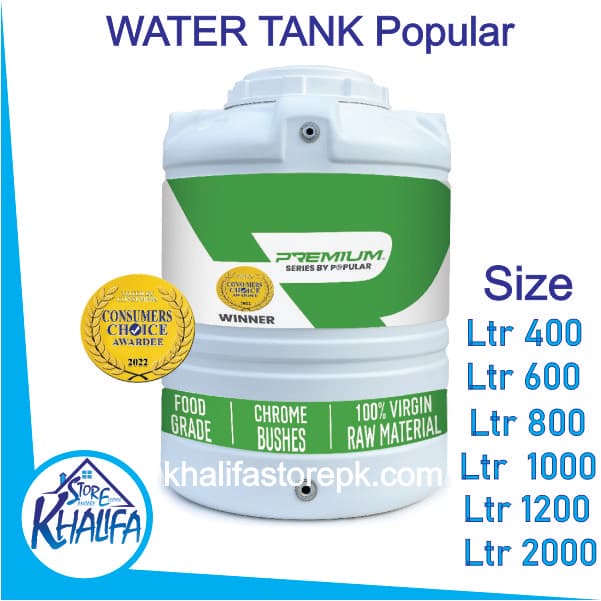
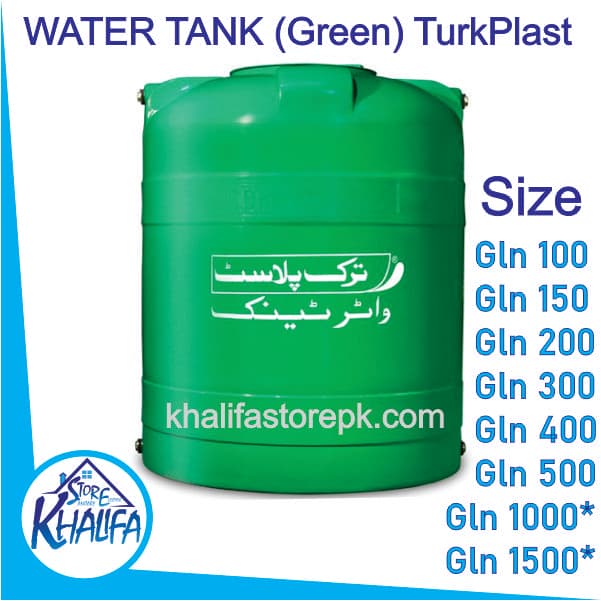
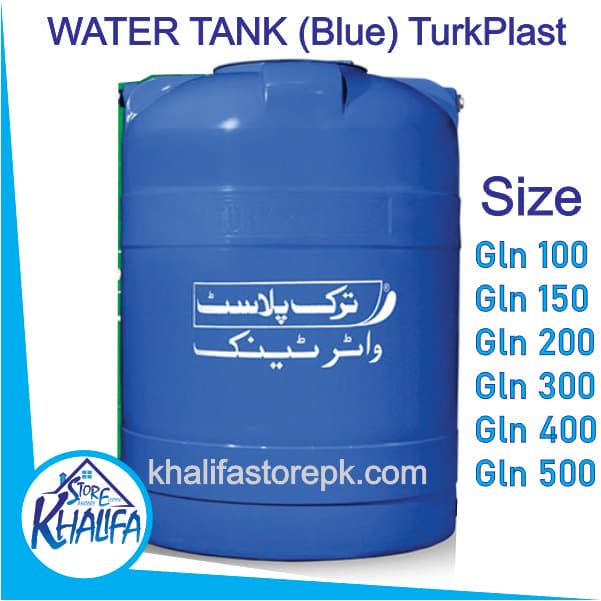
The overhead tank holds the house's daily water and gives the pressure for every tap below it. Size it for the number of people in the house, and place it over a load-bearing wall or beam: a full tank weighs one kilogram for every litre it holds. See the water tank guide.
6. The main line and valves
From the tank outlet, a main pipe, often ¾ inch (25mm) PPR, runs down into the house, with a valve at the tank so everything can be shut off. Each bathroom and the kitchen should have its own valve as well. See ball valve vs gate valve.
7. The pressure pump, if the top floor is weak
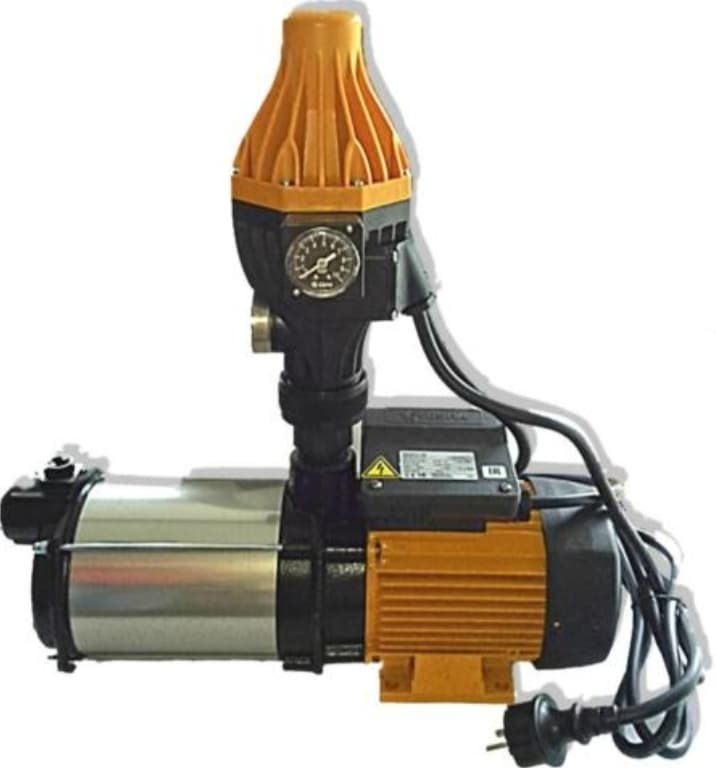
Showers on the top floor sit only a little below the roof tank, so the pressure there is low. A pressure pump with an automatic pressure controller on the line from the tank fixes this. The controller runs the pump only while a tap is open.
8. Branch lines and fittings
Tees and reducing fittings split the main line into ½ inch (20mm) branches for each point. Elbows carry the pipe through the walls, and a female threaded elbow at each point takes the tap. The PPR pipe and fittings guide names every fitting.
9. The geyser and the hot line
The cold line feeds the geyser, and a separate hot line runs from it to the mixers and hot taps. Use PN20 PPR pipe for the hot line, and fit a valve before the geyser so it can be shut off for servicing.
10. Taps, showers and Muslim showers
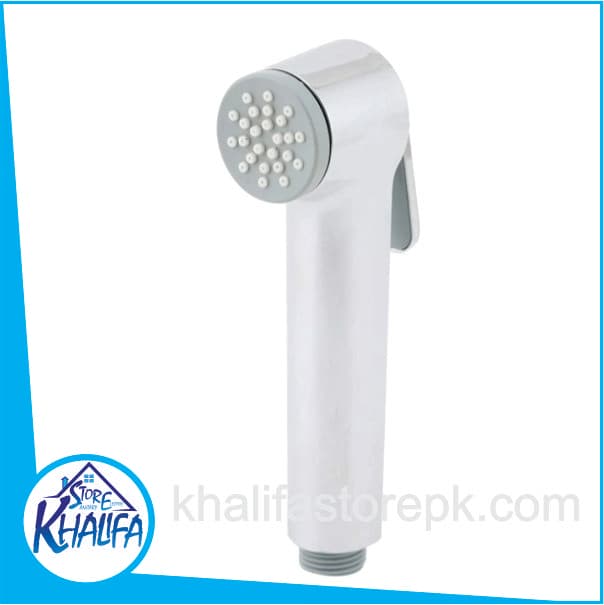
At the end of every line is the fitting you actually use: bib cocks, sink cocks, shower heads, Muslim showers and bath sets. The bathroom fittings guide covers what each one is, and how to install a Muslim shower walks through one fitting step by step. For the kitchen, see the kitchen sink and tap guide.
Parts list for a new house or bathroom
| Stage | Parts | Where to find them |
|---|---|---|
| Storage | Roof tank | TurkPlast tanks |
| Pumping | Pump, pressure controller | ESPA pumps |
| Control and protection | Float switch, voltage protector | Electrical products |
| Pipes | PPR pipe, elbows, tees, sockets, unions, reducers, threaded fittings | Popular PPR |
| Valves | Gate valves, ball valves | Sanitary products |
| Fittings | Taps, showers, Muslim showers, bath sets, connection pipes | Bathroom fittings |
Every product and price is on one page in our price list.
Tracing a fault: work back along the line
- No water anywhere: check the roof tank first. If it's empty, check the pump, the float switch and the lower tank.
- No water in one bathroom: check that bathroom's valve.
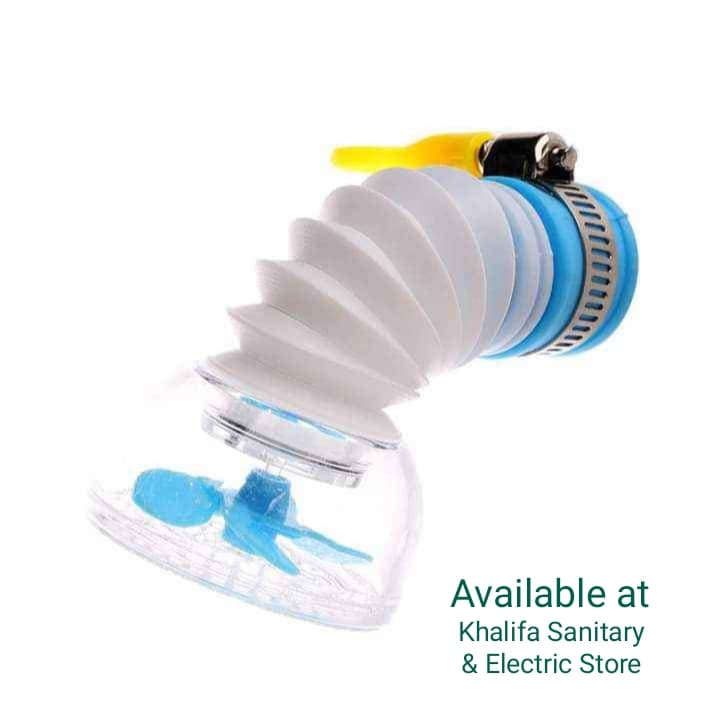
- Weak flow at one tap: clean the aerator or shower head. Limescale often blocks it.
- Weak flow on the top floor only: that's low gravity pressure, and a pressure pump is the usual fix.
- The pump runs but the tank doesn't fill: the pump may have lost its prime, or air is getting into the suction pipe.
- A pressure pump starts by itself with every tap closed: look for a dripping tap, a running cistern or a leaking joint.
If you're stuck, send a photo or a short video on WhatsApp and we'll help you work out which part you need.